A excellent wok sits on the middle of countless kitchens, from bustling restaurant strains to domestic stovetops. It’s more than a pan - it’s a tool that shapes the taste and texture of nutrients in distinct methods. If you’re opening your stir-fry experience, you’ve likely chanced on the talk: solid iron wok or carbon metallic wok? The resolution isn't always basically culture or expense, yet approximately how you cook dinner, what you would like out of your cuisine, and how much persistence you have got for protection.
The Wok’s Role in Everyday Cooking
Woks earn their acceptance simply by versatility. The sloped sides and deep basin encourage tossing, fast stir-frying, deep-frying, steaming, or even smoking nutrition. But the subject matter - solid iron or carbon metallic - modifications how heat strikes, how meals browns, and what sort of effort you’ll put money into care.
Early in my cooking days, I picked up a cheap forged iron wok at an Asian industry, charmed by its heft and rustic seem. Years later, I became proficient a carbon metallic wok with the aid of a chum who swore with the aid of its responsiveness. Between those two pans, I’ve made every little thing from fiery Sichuan stir-fries to smooth Cantonese steamed fish. Along the approach, I realized that no single wok is greatest for every body, but figuring out the transformations is helping you favor wisely.
Cast Iron Woks: Substance and Stability
Cast iron woks think solid within the hand. They are typically thicker and heavier than their carbon metal siblings, which comes with precise upsides and some drawbacks.
Heat Retention and Even Cooking
Cast iron excels at retaining heat. Once warm, it stays hot, that's improbable for searing meat or protecting oil at a steady temperature for deep-frying. I’ve used my solid iron wok to prepare dinner batches of fried chook, and the oil bounced to come back soon after each addition, resulting in even browning.
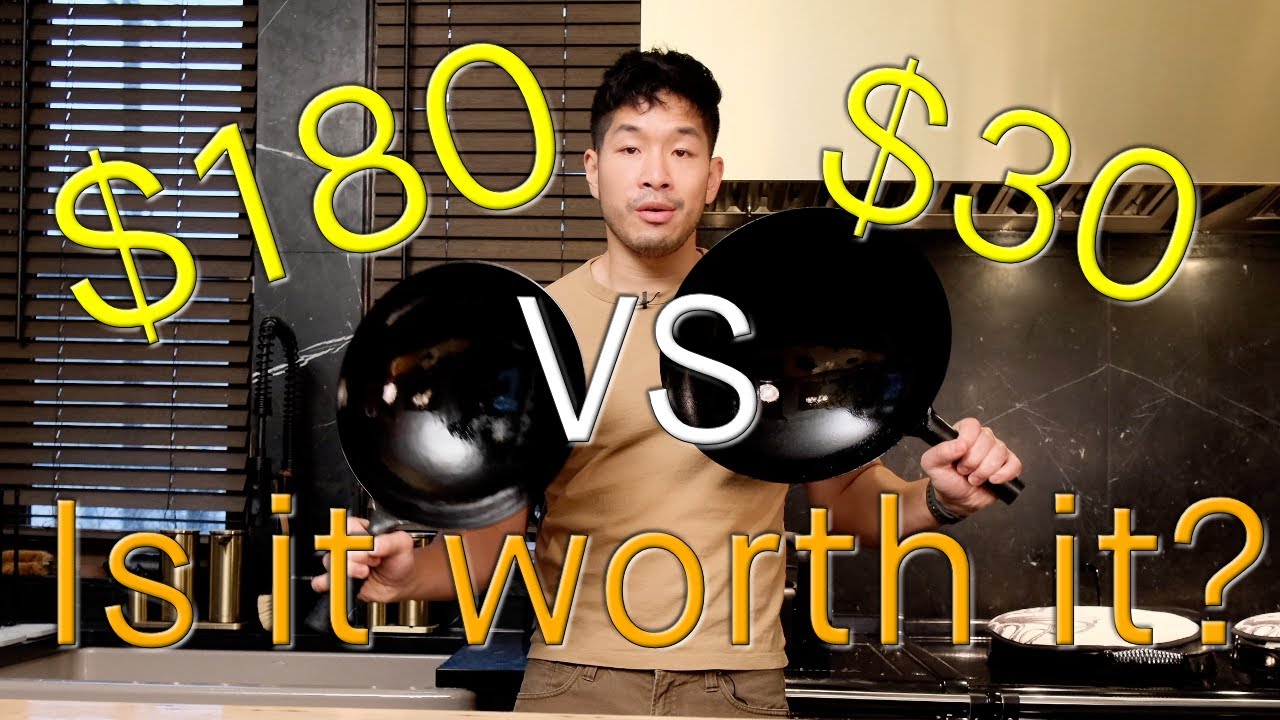
On the turn facet, cast iron heats up slowly and responds sluggishly to differences in burner potential. Quick transformations - so relevant for wok cooking - can also be tough. If you toss in chilly vegetables, the temperature can drop, and the pan takes longer to get well. For recipes that demand swift, top-warmness stir-frying (feel conventional Cantonese chow fun), this hold up could make foodstuff steam rather than fry.

Durability and Care
One indisputable force of forged iron is its durability. These woks can final generations if cared for correctly. I’ve obvious relatives heirlooms blackened from decades of use however nonetheless as simple as ever. That pronounced, cast iron is brittle in comparison to steel. Drop it on a arduous flooring, and also you hazard cracks.
Seasoning is indispensable. Uncoated forged iron develops a typical nonstick floor through the years, however it demands realization - thorough drying after washing, occasional oiling, and vigilant coverage from rust. A pro forged iron wok resists sticking, however new pans commence tough and desire time to build up a patina.
Weight and Ergonomics
Cast iron woks are heavy. A favourite 14-inch variation can weigh six pounds or extra, making one-handed tossing problematic or even unimaginable. For a few cooks, exceedingly people with wrist or arm problems, this weight becomes an limitation. If you plan to go your wok in an instant from range to desk or use it for generic tossing, understand regardless of whether you’re soft with its heft.
Carbon Steel Woks: Speed and Responsiveness
Carbon steel woks have turn out to be the gold time-honored in Chinese eating places for top explanations: they’re gentle, swift to heat, and pretty responsive.
Fast Heating and Control
A skinny carbon metal wok heats up hastily and cools down simply as quick. When you turn up the burner, you believe it nearly straight within the sizzle of aromatics. This responsiveness is essential for stir-fries, in which keep an eye on over warmth makes each of the change among crisp-tender greens and limp ones.
At homestead, I use carbon metallic when making dishes like Kung Pao chicken or shrimp with snow peas - recipes wherein timing and precise temperatures remember. The potential to head the wok off and at the flame fast helps keep away from burning garlic or overcooking delicate materials.
Seasoning: The Living Surface
Like cast iron, carbon metal woks require seasoning to expand a stick-resistant end. The system is equivalent: fresh effectively, warmness until eventually smoking scorching, then rub with oil and repeat countless occasions. The patina starts offevolved as golden brown and darkens with use.
Unlike innovative nonstick pans, carbon metal’s seasoned layer improves with each one meal. After just a few months of accepted cooking, my wok constructed a sparkly black sheen that published even scrambled eggs with minimal sticking. This surface, despite the fact that, needs appreciate - harsh scrubbing or acidic foods can strip away seasoning.
Weight and Handling
Carbon metallic https://zenwriting.net/morianvocf/durability-face-off-cast-iron-wok-vs-carbon-steel woks are more often than not faded - a 14-inch version would possibly weigh less than 3 kilos. I uncover tossing and swirling foods a lot less complicated with these. Many have a unmarried lengthy take care of (“Northern type”), which can provide leverage for stirring or flipping nutrition with minimal possibility of wrist fatigue.
The lightness additionally manner these woks warmth inconsistently on susceptible burners or electric powered stoves. With fuel or top-output induction, though, they shine.
Comparing Cast Iron and Carbon Steel: Head-to-Head
Let’s observe how those two material stack up throughout key dimensions:
| Feature | Cast Iron Wok | Carbon Steel Wok | |--------------------|:---------------------------------|:-------------------------------| | Weight | Heavy (steadily 6 lbs+) | Light (primarily 2-three lbs) | | Heat Retention | Very prime | Moderate | | Responsiveness | Slow to heat/cool | Very fast | | Seasoning Needed | Yes | Yes | | Nonstick Ability | Excellent with time | Excellent with time | | Durability | Can closing generations | Can closing years/decades | | Rust Potential | High if uncared for | High if not noted | | Price Range | $20-$eighty | $20-$60 | | Handle Styles | Two loop handles (“Southern”) | Loop or unmarried long manage |
This table presents a picture, yet truly-global revel in adds nuance. For example, some modern cast iron woks come pre-seasoned or with enameled coatings - those withstand rust yet don’t expand the equal nonstick layer as traditional seasoning.
Cooking Techniques: Does Material Change the Food?
The cloth underneath your stir-fry affects every little thing from taste to texture. In my kitchen tests, I noticed delicate modifications:
Stir-Frying: Carbon metallic wins for sheer pace and handle. When making beef chow fun, the carbon metallic wok creates “wok hei” - that elusive smoky taste prized in Chinese cooking - more absolutely as it tolerates excessive heat and immediate flow.
Deep-Frying: Here, cast iron comes into its possess. Its thermal mass assists in keeping oil regular among batches. I as soon as made sesame poultry returned-to-back in each woks; the cast iron produced greater steady crusts with much less temperature fluctuation.
Steaming and Smoking: Both ingredients paintings, but carbon steel’s lighter weight makes lifting off heavy bamboo steamers a lot more easy.
Nonstick Performance: After months of wide-spread use and seasoning, equally woks unlock delicacies with little effort. However, acidic dishes (like tomato-depending sauces) can eat into seasoning on both varieties, so I preclude them unless I’m in a position to reseason the wok afterward.
Maintenance Realities: What It Takes to Keep Each Wok Happy
Woks call for more care than stainless-steel pans or progressive nonstick cookware. Both solid iron and carbon metal share a few quirks:
- Wash solely with sizzling water and a gentle sponge - cleaning soap can strip seasoning. Dry completely after washing to preclude rust. Apply a thin layer of oil prior to storing. Avoid long soaks or acidic meals until you plan to re-season.
Where they range: solid iron is even more sensitive to moisture. Early on, I left my forged iron wok damp in a single day by way of coincidence; a better morning, orange rust freckles had bloomed across its surface. Lesson found out: necessarily dry with warmth and oil after each wash.
If you want to lower repairs, a few brands now promote pre-professional or covered woks. These cut down initial effort however can also by no means advance the deep patina of typical seasoning.
Stove Compatibility: Not Every Wok Fits Every Kitchen
Classic circular-bottomed woks are designed for effective gasoline burners with wok earrings - the type found out in Chinese eating places or out of doors setups. If you've got a flat electrical or induction range at homestead, flat-bottomed editions exist in equally forged iron and carbon metallic.
From my very own trials, carbon metal flat-bottomed woks adapt stronger to electric powered or induction levels as a result of they sit down flush with the heating element and don’t take as lengthy to warm up. Cast iron flat-bottomed woks paintings too however suppose lumbering on weaker burners resulting from their mass.
For fuel stoves with satisfactory BTUs (preferably 15,000 or above), both fashion works good with a wok ring or direct touch.
Buying Tips: What to Look for in Each Type
With such a lot of manufacturers and charge factors, how do you want? Here’s a quick listing of what subjects so much:
Before You Buy: Essential Considerations
Weight and Feel: Visit a store if you'll. Pick up every wok class to work out what feels completely happy to your palms and wrists. Size: For dwelling house use, 12 to 14 inches is flexible. Larger sizes are unwieldy until you’re cooking for crowds. Handle Style: Decide among loop handles (terrific for oven use or steaming) and long handles (enhanced for tossing and short stir-fries). Pre-pro vs Raw: Beginners might also prefer pre-pro woks to skip the initial seasoning step. Price: Good carbon metal woks are characteristically much less costly than forged iron and supply bigger high quality at curb costs.My Experiences: Learning Through Use
When I first all started cooking Chinese delicacies at house, I thought heavier meant bigger. My solid iron wok seared superbly yet challenged my wrists. After switching to carbon steel, I loved the liberty to toss constituents with one hand and modify heat with the other. However, I nevertheless go back to my vintage solid iron wok for dishes that require stable warmth or longer cooking times.
I’ve additionally noticed that my carbon steel wok improves with use - after approximately 20 ingredients, it stopped sticking wholly. The cast iron took longer to modern out but now releases delicacies just as honestly.
Friends with distinct kitchens have stated distinct experiences. One swears by means of her carbon steel wok on an induction cooktop; a different prefers cast iron for outdoors grilling and campfire cooking attributable to its resilience.
Which Should You Choose?
There’s no prevalent solution. Your stove model, cooking flavor, and willingness to take care of seasoning all come into play.
If you want quickly stir-fries and crave wok hei, and feature a solid gasoline burner or induction stove, carbon metallic sounds like an extension of your hand after a couple of uses. If you deep-fry repeatedly or just like the theory of passing down cookware to your grandchildren, forged iron gives you balance and background.
Most experienced chefs who love wok cooking prove possessing each - every one brings one thing diverse to the desk. If you would have to prefer one as a beginner, carbon steel is regularly greater forgiving and flexible for established use.
Final Thoughts: Start Cooking and Build Your Own Patina
No rely which materials you prefer, the use of your wok sometimes concerns greater than agonizing over the suitable desire. Season it well, cook most of the time, and enable it evolve with you. Both cast iron and carbon metal praise persistence and observe - soon satisfactory, you’ll have a wok that tells your own tale simply by each meal.
If you’re nevertheless not sure, borrow or manage both varieties sooner than shopping. Cooking will never be just science however craft; merely knowledge finds what feels top for your fingers and fits your habits perfect.
Whichever path you are taking inside the cast iron wok vs carbon metallic debate, experience the technique - your most efficient meals are but to return.